What You Need To Know About Sepsis

Sepsis is a life-threatening medical emergency that affects millions of people each year. In the U.S., at least 1.7 million adults and more than 18,000 children develop sepsis annually, and many cases begin before a person ever reaches the hospital. Sepsis can progress quickly, so recognizing the signs and getting fast medical care is crucial.
What causes sepsis?
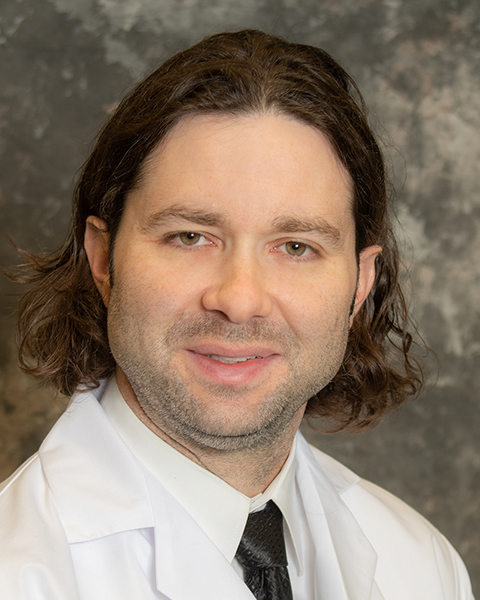
“Sepsis happens when the body has an extreme response to an infection,” said Gerald Smith, DO, Director of Emergency Medicine at Penn Highlands Elk. “Instead of just fighting the infection, the immune system overreacts and attacks healthy parts of the body. This can damage tissues and organs, and without fast treatment, may lead to organ failure, septic shock or death.”
Almost any infection can lead to sepsis, but bacterial infections are the most frequent culprit, often originating in the lungs, urinary tract, abdomen, skin or bloodstream. Typical examples include pneumonia, kidney or bladder infections, gastrointestinal infections, infected wounds and bloodstream infections.
People may be at higher risk for sepsis if they have a weakened immune system, a severe injury or wound, a recent surgery or hospital stay, a chronic health condition or an implanted medical device such as a catheter.
What are the signs of sepsis?
Sepsis symptoms can vary from person to person, and because it can affect many areas of the body, the symptoms are often broad and may be mistaken for other illnesses.
Common signs of sepsis include:
- Rapid breathing
- Shortness of breath
- Fast heart rate or weak pulse
- Confusion or disorientation
- Extreme pain or discomfort
- Fever
- Chills or shivering
- Clammy or sweaty skin
- Lightheadedness
- Low energy or weakness
“Sepsis may also cause symptoms related to the original infection,” said Dr. Smith. “For example, a urinary tract infection may cause painful urination, while pneumonia may cause a worsening cough. If a bloodstream infection triggered sepsis, a rash may appear that makes the skin look red or discolored.”
If left untreated, sepsis can lead to septic shock, a dangerous drop in blood pressure. Warning signs of septic shock include not being able to stand, extreme sleepiness and major changes in mental status, such as severe confusion.
How is sepsis treated?
Treatment for sepsis typically begins in the hospital and often includes antibiotics to fight the underlying infection, intravenous fluids to maintain blood pressure and circulation and oxygen therapy if breathing becomes difficult. Healthcare providers may also use medications to support blood pressure, control pain, regulate blood sugar or prevent blood clots.
Because sepsis can affect multiple organs, patients may need close monitoring or intensive care. In severe cases, additional treatments such as mechanical ventilation, dialysis or surgery to remove infected tissue may be necessary.
What is the recovery process after sepsis?
Recovering from sepsis can take time, especially if the illness was severe or required intensive care. Sepsis puts significant stress on the body, and many people need rehabilitation before they are strong enough to return home.
During recovery, your care team will help you gradually rebuild strength, mobility and independence. At first, sitting up, standing, walking, bathing or getting to the bathroom may be difficult. Your team will work with you on simple movements and daily activities until your body is ready for more.
As your strength and mobility improve, you will slowly regain the ability to care for yourself. Once your care team feels you can safely manage at home, you will be able to continue your recovery outside the hospital.
If you experience any of the symptoms of sepsis, seek medical attention immediately. Penn Highlands Healthcare offers experienced emergency care at nine locations throughout Pennsylvania. Learn more at www.phhealthcare.org/ed.